1950
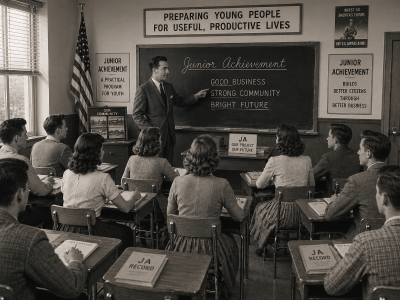
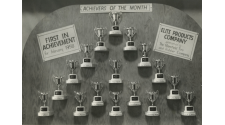
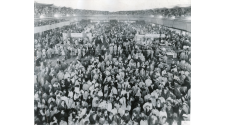
The end of World War II brought many changes to JA, including local autonomy, a key differentiator among non-profit organizations that stands today. Instead of the national organization raising all funds, paying all staff, and managing all aspects of local JA operations, the new model was recommended by Alfred C. Fuller of Fuller Brush Company. Each area would now have local boards and committees, responsible for all area operations. Peoria, Illinois (later JA of Central Illinois), was the first to adopt this system. By 1950, the issuance of franchises became standard policy and created “The Field”. Opportunities for Achievers to rub elbows with business leaders became annual events. Many were developed by the Chicago area Executive Director, Tom Pendergast, including Future Unlimited Banquets, Trade Fairs, and annual student conferences. Two other Midwest superstars included Wally Fleming in Detroit, running the best-financed area year after year, and Bud Schwenk in St. Louis. Schwenk, a former All-American football player, used his name and connections to raise money and build the largest JA operation at the time.
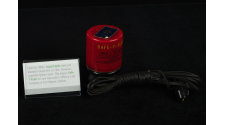
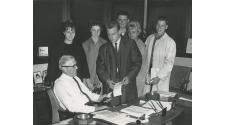
Click on a museum item for more information
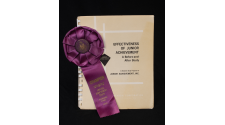
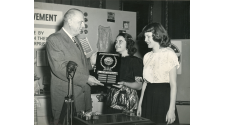
Award Winners
The JA Professional Staff Hall of Fame is awarded to former JA staff professionals whose long-term dedication, commitment, and exceptional accomplishments made a significant impact on the organization and created a foundation for the current organization. Laureates are role models and set standards of accomplishment and behavior to which current and future JA staff should aspire. The process is managed by the JA Staff Alumni Network.
A $2,000 scholarship is awarded to a JA Company Program student in recognition of his or her accomplishments, role in their JA Company, and entrepreneurial potential.
The Karl Flemke Award is given annually at the JA National Leadership Conference. This award goes to a first-time Junior Achievement president who has demonstrated an outstanding contribution to and achievement with the organization.