1920
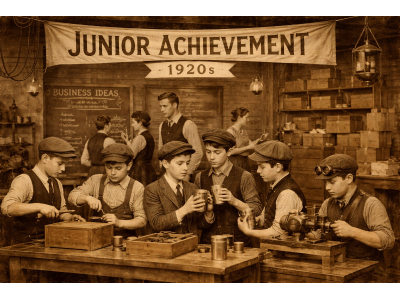
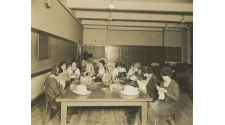
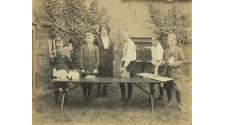
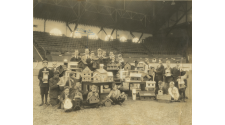
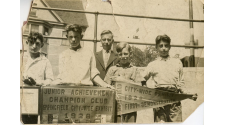
On February 27, 1920, the Executive Committee of the Eastern States Exposition made a significant decision to rename the Boys’ and Girls’ Bureau to the Junior Achievement Bureau. This pivotal change marked the beginning of a new era for the organization. On October 19, 1920, Horace Moses assumed the esteemed position of Chairman of the Junior Achievement Bureau, embarking on a remarkable 27-year journey of leadership. Under his guidance, the organization underwent a transformative phase. Mr. Benson, the visionary first director of the organization, played a crucial role in shaping the structure that would eventually evolve into the JA Company Program. Initially, the program was designed to cater to children aged 8 to 12, encouraging them to apply and become Junior Achievement Clubs. These clubs were meticulously organized, with adult leaders guiding them, fostering a business-like environment. The impact of the Junior Achievement Program was further recognized when President and Mrs. Calvin Coolidge hosted an event at the White House. President Coolidge expressed his admiration for the program, stating, “Junior Achievement is a first-class proposal – very much worthwhile.” The renaming of the Boys’ and Girls’ Bureau to the Junior Achievement Bureau and the subsequent establishment of the JA Company Program were significant milestones in the organization’s history. These developments laid the foundation for the Junior Achievement movement, empowering young individuals to develop essential business skills and fostering a sense of responsibility and entrepreneurship. However, a 1928 study concluded that the 8–12 age group was too young for the program. The staff believed that children at this age were not mature enough to take adult activities, such as business, seriously for extended periods. Consequently, it was recommended that Junior Achievement focus on 16-to-21-year-olds and concentrate its efforts in metropolitan centers. To test these recommendations, Mr. Moses selected two directors from the JA Headquarters staff to implement an experimental program in New York City. This marked the inception of the Junior Achievement “franchise” structure. The first local JA office opened at 25 W. 43rd Street in New York in October 1929—just before the stock market crash.
Click on a museum item for more information
Award Winners
The JA Professional Staff Hall of Fame is awarded to former JA staff professionals whose long-term dedication, commitment, and exceptional accomplishments made a significant impact on the organization and created a foundation for the current organization. Laureates are role models and set standards of accomplishment and behavior to which current and future JA staff should aspire. The process is managed by the JA Staff Alumni Network.
A $2,000 scholarship is awarded to a JA Company Program student in recognition of his or her accomplishments, role in their JA Company, and entrepreneurial potential.
The Karl Flemke Award is given annually at the JA National Leadership Conference. This award goes to a first-time Junior Achievement president who has demonstrated an outstanding contribution to and achievement with the organization.